
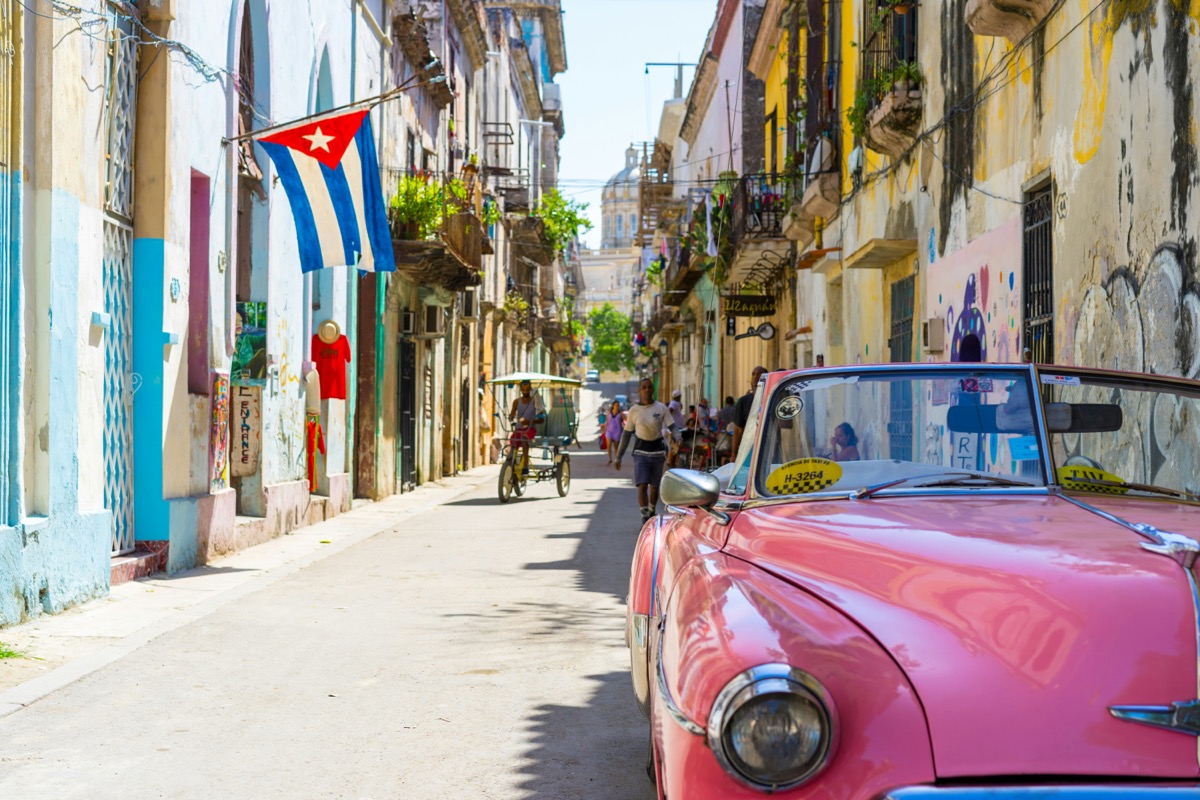
Investing in Real Estate in Cuba: The Americas' Most Enigmatic Market
Cuba is a unique case in the Western Hemisphere. A Caribbean island with spectacular colonial architecture, white sand beaches, a vibrant culture recognized worldwide — and a real estate market that operates under completely different rules from the rest of Latin America. Since 2011, Cuba allowed home sales between Cubans, and since then the market has evolved in unexpected ways. For investors with patience and creativity, Cuba represents perhaps the Caribbean's last real estate frontier.
The context you must understand
Property in Cuba is different
In Cuba, real estate property operates under unique rules. Cubans have been able to buy and sell homes among themselves since 2011. However, foreigners CANNOT buy property directly in their name the same way as in other countries.
Options for foreigners
- Marriage to a Cuban: A foreigner married to a Cuban citizen can be a co-owner of housing
- Investment through joint ventures: Some hotel and tourism investments are made through joint ventures with the Cuban state
- Long-term rental: Foreigners can rent properties for long periods (a way to "invest" without owning)
- Casas particulares: The private home lodging model (similar to Airbnb) has created a vibrant tourist rental market
The internal market exists and grows
Despite restrictions, Cuba's internal real estate market has become dynamic. Cubans with access to remittances from abroad buy, sell, and renovate properties. Prices in Havana have risen considerably since 2011.
Why look at Cuba?
Incomparable colonial architecture
Old Havana is a UNESCO World Heritage site with thousands of Spanish colonial buildings dating from the 16th-19th centuries. Nothing comparable in scale exists anywhere in the Caribbean. A single block of Old Havana has more architectural heritage than entire cities in other countries.
Privileged geographic position
Cuba is 90 miles from Florida, in the heart of the Caribbean. It's the Caribbean's largest island at 1,200 km long with beaches on both coasts.
Growing tourism
Cuba receives over 4 million tourists annually, and demand continues growing. Canadian and European tourists are the main visitors, and any normalization with the United States would dramatically multiply flow.
Exceptional human capital
Cuba has one of the world's highest literacy rates (99.8%) and a healthcare system that, despite limitations, produces internationally recognized doctors. This human capital is an asset for any future development.
The opportunity to get ahead
Cuba is at an inflection point. Economic reforms advance slowly but they advance. Those who understand the market now will be better positioned when it opens further.
Areas of interest
Old Havana
- Why: UNESCO Heritage, tourist center, ongoing restoration with international support
- Reality: Spectacular colonial buildings but many deteriorated; UNESCO restoration programs
- Model: Casas particulares (B&Bs) generating income in CUC/USD for Cuban owners
- Internal prices: Apartments from $15,000-$50,000 USD between Cubans; colonial houses up to $200,000 USD
Vedado (Havana)
- Why: Premium residential neighborhood, embassies, art deco architecture, Malecon
- Reality: Large 1950s houses, many subdivided, some restored to luxury level
- Internal prices: Houses from $30,000-$150,000 USD; apartments from $15,000 USD
Miramar (Havana)
- Why: Diplomatic zone, 1940s-50s mansions, international hotels
- Reality: Havana's most "international" zone, foreign company offices
- Internal prices: Large houses from $50,000-$300,000 USD
Varadero
- Why: Cuba's most famous beach, 20 km of white sand, all-inclusive resort tourism
- Model: Primarily hotels in joint ventures with the state; limited opportunities for individuals
- For whom: Institutional investors or Caribbean tourism funds
Trinidad
- Why: UNESCO colonial city, cultural tourism, mountains, nearby beach
- Reality: Thriving casas particulares, growing tourism
- Internal prices: Colonial houses from $10,000-$50,000 USD
Vinales
- Why: UNESCO Heritage valley, mogotes, tobacco, ecotourism, unique landscapes
- Reality: Casas particulares and farms generating good tourist income
- Internal prices: Houses from $8,000-$30,000 USD
How to participate (legally)
1. Casas particulares (indirect model)
The most accessible model: a Cuban family member or partner is the owner, and you contribute capital for restoration/improvement. The house operates as a tourist B&B and income is shared. This is NOT direct ownership but is the most common model for foreigners.
2. Tourism joint ventures
For large investments (hotels, resorts), Cuba allows joint ventures between foreign companies and Cuban state entities. Spanish, Canadian, and French companies have invested billions in hotels under this model.
3. Purchase through Cuban spouse
If you're married to a Cuban, you can be a co-owner of housing. This is the most direct way to own property, but requires a genuine relationship (it's not a loophole).
4. Caribbean investment funds
Some investment funds specializing in the Caribbean include Cuban assets (mainly hotel) in their portfolios. This is the "cleanest" way to have exposure to the Cuban market without direct legal complexities.
Important risks
- Evolving legal framework: Rules can change; what's legal today may not be tomorrow (and vice versa)
- US embargo: American sanctions complicate financial transactions, especially for US citizens
- Infrastructure: Electricity, water, internet, and telecommunications are limited in many areas
- Bureaucracy: Legal processes can be slow and complex
- No mortgage market: All transactions are cash
- Repatriation restriction: Getting money out of Cuba can be extremely complicated
Tips for interested parties
- Visit first, invest later — Cuba must be seen and felt to understand how it works; you can't invest from a desk
- Build relationships — in Cuba, personal relationships are more important than contracts; invest time in meeting people
- Understand the duality — Cuba has a formal and informal economy; both are real and both matter
- The casa particular model works — thousands of Cubans earn more from their B&B than their formal job; the model is proven
- Extreme patience — Cuba is not for the impatient; processes take time and rules can change
- Specialized legal advice — you need a lawyer who understands BOTH Cuban law and implications for your country of residence (especially if you're from the USA)
- Don't expect quick returns — Cuba is a 10-20 year bet, not 1-2
Conclusion
Cuba is the most fascinating and complex real estate market in the Americas. It's not a conventional market — rules are different, risks are high, and required patience is enormous. But for those who understand the game and have long-term vision, Cuba offers something no other Caribbean market can: the opportunity to be present on an extraordinary island just before it opens to the world.
Interested in Caribbean opportunities? Explore properties across Latin America on Tualero and connect with agents who know the region's emerging markets.